Exactly How to Repair Damaged Fences: Melbourne Fencing Firm Advice
Fences lose in Melbourne. One week you can be thinking about summertime color, the following you are cleaning up after a cyclone that has actually discovered every weak join, every spot where the hardwood was currently tired, and every area that was never rather straight. After that there is the continuous mix of sun, damp, and salted air along the shore. Even when a fencing is "great", it can gradually drift out of square, loosen at the messages, or start to rot at the base where rainwater sits.
The excellent information is that most fencing damage is repairable, and you do not always require to change the entire point. The method is matching the repair to the reason. A sagging panel is frequently an article problem, not a picket trouble. A fencing that looks "joyful and intact" above ground can still have rot in the concrete or dirt line that will just get worse if you spot it without addressing the foundation.
Below is field-tested recommendations you can use to examine usual fence troubles, make sensible repair services, and recognize when it's time to bring in a correct group. If you are looking for fence companies Melbourne locals depend on, this post will likewise aid you speak the very same language as the tradies when you obtain a quote.
Start with what sort of damages you are actually looking at
Before you get tools, invest a couple of minutes observing. Fencings normally fail in patterns, and those patterns tell you what to do next.
For example, if wind has pressed an area inward, you will certainly frequently see bolts missing out on or deformed rails. However if numerous panels are leaning parallel, that can point to articles that have actually changed in the ground or a fencing line that was never appropriately supported. If pickets have pulled loosened however the rails really feel strong, you might only need to re-secure that panel. If the rails are fractured or the message is wobbling, an easy "re-nailing" job will not hold.
Also focus on where the damage starts. Rot is rarely arbitrary. It is normally focused near the ground, where moisture lingers, and at cut finishes where water can soak in and remain trapped.
A fast walk around the fence in daylight assists too. If you can, consider it from both sides. Some issues, like article activity, are more clear when you view the fencing from the next-door neighbor side and compare the spacing in between posts.
Safety first, particularly after storms
If your fence has actually been struck by a dropped branch, a lorry, or tornado particles, treat it like an online framework. Panels can be under tension, especially if a rail has actually changed and is holding the area in position. A "fast solution" while something is worried can become an accident.
You do not need to be dramatic, simply careful.
- Wear gloves and safety glasses when removing broken boards or splinters
- Keep your footing secure around loose posts or irregular ground
- Check for sharp steel or sticking out bolts prior to you get to in
- If an article is proactively leaning or the fencing is unsteady, stop and call a professional
If the fencing is favoring a pathway or driveway, take into consideration cordoning off the location up until you evaluate it properly.
Tools that make fixings faster (and cleaner)
You can do a great deal with basic devices, yet fence repairs go far better when you have the right gear accessible. Depending on the issue, you might need to reduce hardwood, eliminate old bolts, and drill straight holes for replacements.
A normal starter arrangement for lumber fencing repair work consists of a hammer, a pry bar, a tape measure, a spirit level (or line degree), a mounting square, and a drill with little bits fit to hardwood. For cleaning, a tight brush aids eliminate dust and loosened timber prior to you apply any treatment.
If you are replacing sections, have a round saw or jigsaw all set for accurate cutting. If you are dealing with stubborn old screws or nails, a magnet-tipped nail puller or an extractor tool can conserve time.
If your fence consists of metal braces or gateway hardware, you might likewise need an outlet set and corrosion-resistant replacement fixings. In seaside or high-humidity locations, the wrong steel can fall short rapidly. The goal is to stay clear of producing a brand-new "weak link" where you install brand-new timber onto old, rusty steel.
Assess hardwood articles before you touch panels
A typical blunder is to replace the most convenient components. Individuals exchange out damaged pickets, reattach rails, and feel confident up until the whole area droops again a few months later on. If the post has moved, those repairs become temporary.
Here is what to inspect:
First, attempt a mild press or yank on the influenced area. You are not battling the fencing, simply evaluating activity. If you can change it significantly, the article or the article's link to the ground is the likely culprit.
Next, check around the base. Look for dark staining, soft lumber, collapsing edges, or a void where concrete satisfies hardwood or where the blog post satisfies the ground. Even if the fencing looks fine at eye degree, rot often begins low.
If you have access to the post over ground, examine whether it is still straight. A blog post that is leaning can trigger rails to turn, which twist then stresses pickets and fasteners.
If the blog post is set in concrete, do not assume it is healthy and balanced. Concrete can conceal decay if water has worthless up or if the blog post end was not sealed.
Fixing loose pickets and rails without replacing everything
Loose pickets are the "most repair-friendly" fence trouble because the underlying framework is commonly still solid. If rails are not fractured and articles are strong, the fix can be straightforward.
Begin by eliminating the loosened up section enough to examine what stays. Old screws may remove, and divided timber around bolt holes is a free gift that the board requires replacing or the openings need to be reworked.
If the wood is intact, you can reattach the pickets with new, corrosion-resistant bolts. Choose bolts appropriate to outdoor use. The greatest distinction between a repair that lasts and one that fails very early is that outside wood expands and contracts, and it requires bolts that can cope with motion without rusting out.
One extra point that matters: alignment. If you reattach pickets while the rail is turned or a little out of line, you secure the trouble. Also a moderate imbalance can bring about uneven spaces and faster helping to loosen since boards are filled unevenly.
A useful approach is to run a straight line recommendation along the railway and area pickets consistently. Utilize your level and gauge twice, then screw once.
If the rails are loose, not simply pickets, tighten up or change rail-to-post braces. Old braces can be curved or worn down after wind lots. When brackets are harmed, reusing them feels more affordable, but it usually fails at the very same stress point.
Dealing with sagging panels and broken rails
When a fence section sags, the most common perpetrators are loose or damaged rails, messages that have shifted, or rails that have actually fractured. You might also see that pickets close up at one end and create wider spaces in other places, which is a sign the rail line has moved.
If the sag is mild and the messages are steady, you might have the ability to change one rail run and re-secure the pickets. However if the sag includes multiple rails throughout the section, or the post line shows activity, you must treat it as an article and supporting issue, not simply a panel problem.
For fractured rails, change as opposed to spot. Hardwood fractures in a way that creates weakness. If the rail is lugging tons and you use a patch, it can fail again, commonly right where you patched it.
If you are replacing rails, put in the time to match the rail profile and size very closely. Hardwood that is as well narrow can produce spaces at brackets, and hardwood that is also thick can emphasize fastener points or avoid correct seating.
When you re-install, brace the section so the railway is directly while you attach. If you hurry and secure while the fence is being in a drooped position, your "repair work" sets the fence the incorrect shape.
Rot at the base: repair or replace?
Rot is where fencing repairs come to be judgment calls. Occasionally you can trim out the rotten part and fit a substitute piece or treatment, particularly if the rot is limited and the wood around it is still solid. Other times, the blog post or lower frame is as well jeopardized, and any kind of repair is most likely to fail.
Start by carefully penetrating the affected location with a screwdriver or comparable device. If the lumber feels squishy, crumbles, or comes away with marginal pressure, it is no longer structurally reliable.
Also check just how far the rot extends. It might appear like a little spot at the surface area, however it can leave the end grain beyond what you can see. If you are unsure, err on the side of elimination. Rot will keep moving when wetness is present.
If rot is limited to a rail end, you can cut down to appear lumber and replace that end area. If rot is around the post base, the most effective lasting outcome is typically to change the post and any kind of associated reduced rails that are affected.
For articles, the repair service is not just "swap hardwood". It consists of removing the decayed message, making certain the base location is correctly prepared, and re-installing with secure local best fencing installers assistance. A fencing firm will usually think about water drainage and negotiation, because Melbourne dirts and rains patterns can differ a lot depending upon your street.
Fence panel damage from influence: what to look for
Impact damage prevails after tornados, particularly branches, dropped arm or legs, or debris. The fencing might look "damaged" in one area yet have structural problems in surrounding sections.
After effect, examine these locations:
If a picket is just torn loose, it might be a bolt failing. If multiple pickets have actually changed, the rail may be turned. If a message has a notch, split, or visible activity, treat it as a structural problem.
Also inspect whether there are stress and anxiety cracks in rails. A rail that looks okay from one angle could have a concealed fracture on the underside or at a brace connection.
When replacing harmed boards, do not blend brand-new timber into old without checking the general spacing and placement. Also if every specific board coincides width, mild distinctions in installment angle can create a bumpy appearance. Extra importantly, it alters just how tons transfer to the rails and posts.
Gates: the sneaky area where fencing repairs begin
Many "fence" problems are actually gateway concerns. A gateway that drags can draw on the bordering fencing and loosen elements over time. A drooping gate can also subject damaged posts because gateways focus pressure at the joint line.
If your entrance is not closing correctly, do not just tighten joints and hope. Examine whether the lock line and hinge line are still square, and whether the joint posts are steady. If the joint articles are relocating, tightening up joints will just postpone the inevitable.
In method, a fixing might entail re-securing blog posts, replacing a joint brace, or changing eviction framing. If the gate framework is distorted or broken, replacing the framework can be extra practical than attempting to correct the alignment of timber under load.
Materials and mendings: the tiny choices that impact the lifespan
Fence fixings can fall short in the "uninteresting" information. Bolts and small material decisions usually identify whether a repair work lasts with the following rainy season.
Use outdoor-rated, corrosion-resistant mendings. If you are matching a historically older fence, you might discover existing dealings with are mismatched metals, and the mix can increase corrosion. Changing with constant, suitable dealings with boosts outcomes.
For wood treatment and sealing, the very best technique relies on what is currently on the fence. If the timber has actually previously been stained or secured, you may need to tidy and prepare surface areas before applying new coverings. If you apply coating over dust and falling short surface area wood, it can peel off early and trap moisture.
If you are repairing a fencing that has actually been painted, examine whether the paint is failing and cracking. Cracked paint can permit water to enter and cause the lumber to break down faster than an unpainted however cured board. Repair work are most successful when surface preparation is taken seriously.
A fast, straightforward trade-off: changing a little area effectively can look much more costly ahead of time than patching. Yet if patching prevents you from dealing with the real failing point, you wind up paying once more, often within a year. That is why fence companies Melbourne frequently recommend diagnosing first and only changing what is genuinely necessary.
A straightforward decision overview: fix what you can, change what you must
Not every harmed fence component needs replacing, however thinking is high-risk. Right here is a functional framework you can make use of when you are deciding in between repair work and replacement.
- If the message is steady and only boards or rails hang, repair service is typically fine
- If the rail is broken through or bracket links are damaged, change that rail run
- If rot is soft and extends past the evident surface area, replacement is the more secure wager
- If the fence line is consistently out of square after repairs, the underlying structure requires interest
- If you can not re-establish steady positioning without compeling parts, stop and reassess
This is not regarding being significant. It is about valuing the structure's lots path. A fence is a system. Taking care of one component without dealing with movement in one more element typically causes repeat failure.
Step-by-step: repairing a loosened section after wind
If you want a clear "exactly how this would look in reality" method, right here is an usual circumstance. A gust has blown one area internal, loosening up several pickets and pulling a rail slightly off line.
First, clear the area and remove any damaged boards that position safety and security threats. Then, evaluate the messages. If the posts are solid and not tottering, you can focus on the section.
Remove the loosened pickets so you can access the rail. Inspect the rail for cracks, flexes, or loose bracket links. If braces are bent, correct is not enough. Change or re-fit them so the rail rests true.
Now, re-establish placement. Make use of a straight line and measure between messages. If the fence is off, set it prior to you secure. As soon as the rail is proper, reinstall pickets with consistent gaps and new fixings.
Finally, walk the fencing once more to ensure the repaired section is degree and matches the nearby panels. The difference between a repair work that holds and a repair service that stops working swiftly is exactly how thoroughly you correct placement and secure the rail.
If the message hangs, do not avoid that step. Any kind of repair work to pickets and rails will certainly be threatened if the article keeps moving in the ground.
Treatment and finishing after repairs
After repairs, you desire the timber to stand up to dampness and UV direct exposure. In Melbourne, the sun can dry out hardwood promptly, however rainfall can still permeate around ends and signs up with. That biking is tough on wood, especially untreated areas.
If the rest of your fencing is already tarnished or secured, you may intend to mix the fixing area so it ages a lot more similarly. That means prepping the repaired hardwood to accept the finish, then using the same type of item as very closely as possible.
When coatings differ, you can get mismatched coloration and peeling at edges. If the fence was formerly sealed however you are unsure what it is, test a tiny area initially. Surface items can differ, and a layer that bonds well to one surface may not bond too to another.
If you have bare wood from a fresh cut, sealing the ends is essential. Water can wick along end grain and accelerate degradation.
When to hire fence companies Melbourne
Some fixings are really DIY-friendly, specifically when the fencing is strong and the damage is restricted to boards or a solitary rail run. Yet there are situations where specialist aid makes sense, both for safety and for lasting expense control.
Call in a contractor when the post line is compromised, when you find substantial rot, or when the fencing has actually changed considerably and you require correct re-setting and alignment. It's additionally worth getting a quote if the damages involves a gate or if you suspect the fencing ground requires real fixing work.
Professionals likewise have the benefit of experience detecting concealed concerns. A tradie can often identify whether a fencing will certainly maintain leaning after you fix the visible section. That saves time and prevents duplicated repairs.
Even if you intend to do component of the job yourself, getting an analysis can assist. You can then settle on what you fix and what they replace.
Common blunders that turn a tiny task right into a large one
Most individuals do not make mistakes because they lack effort. They make errors since the fence looks "fine sufficient" up until you start attaching points in place.
One large error is replacing pickets while overlooking a loosened rail. The pickets will keep functioning themselves loose because the rail is moving.
Another is drilling and screwing into rotten wood. Even if you obtain fasteners in, the hardwood around the holes may continue to collapse. A repair work can look solid promptly, then loosen as seasonal wetness shifts.
A 3rd usual problem is forcing a fencing back into place. If the fencing runs out square and you fasten it under stress, you may develop stress and anxiety that turns up as splits or duplicated loosening up later.
The final error is skipping surface area prep before finishing. If you repaint or tarnish without cleansing and ensuring the timber is sound, the finishing may peel off. After that moisture returns and speeds up rot.
Bringing it all along with a reasonable repair service mindset
Fences are among those "collection and forget" frameworks until they are not. In Melbourne, climate cycles and soil conditions indicate fixings ought to be made with care, not simply speed. When you properly recognize whether the failure is fastener associated, rail relevant, post associated, or rot related, the solution often tends to hold.
If you do determine to repair on your own, go sluggish at the diagnosis phase. Inspect blog post security, check the base for rot, validate rail alignment, and use the appropriate exterior dealings with. Afterwards, a lot of repair services have to do with persistence and precision. Measure, align, fasten securely, then seal or complete the fixed wood so it mixes with what's currently there.
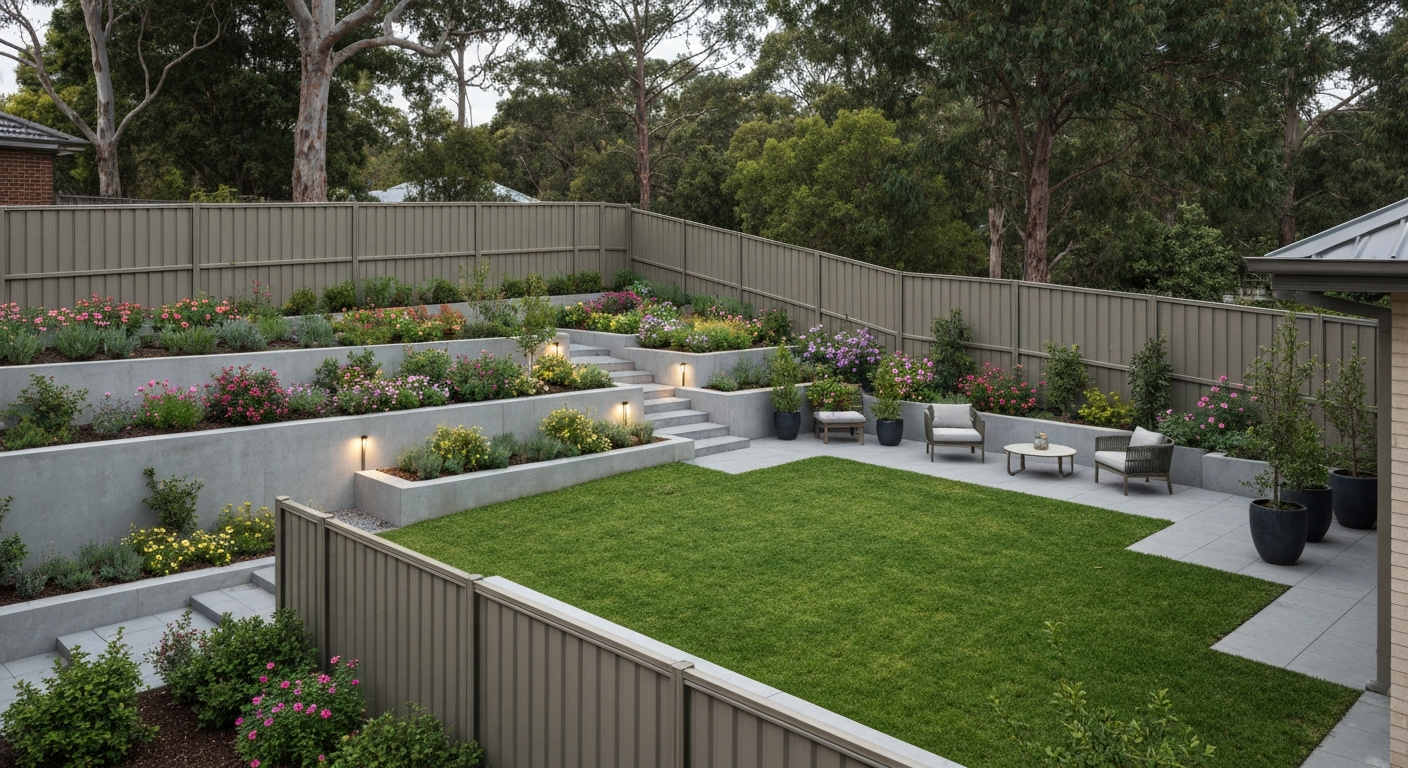
And if you want a second opinion, asking fence companies Melbourne for an on-site evaluation is usually the fastest way to avoid repeating job. The most effective quotes are the ones that discuss what stopped working and how the repair service addresses the genuine cause, not simply the visible damage.